National Dialogue Promotes Nature-Based Solutions for Coastal Protection in Ghana
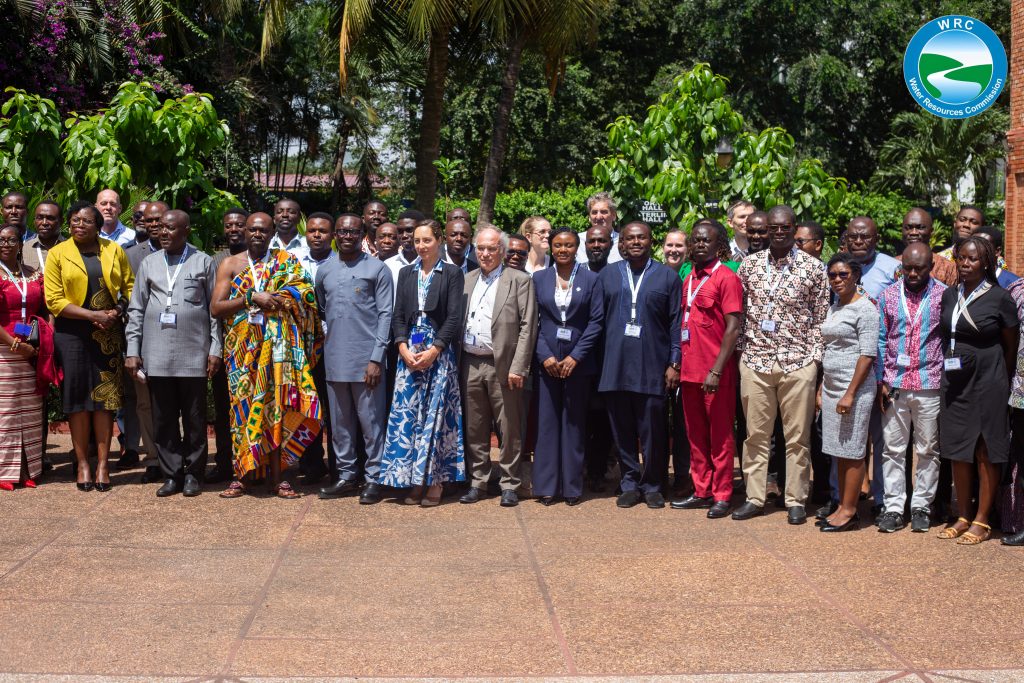
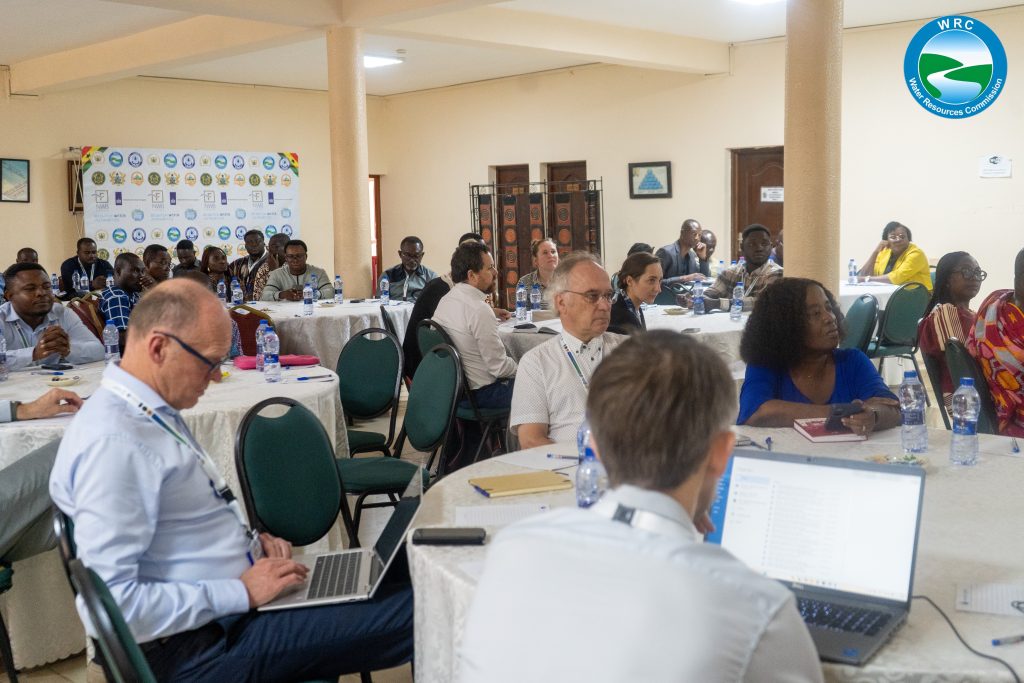
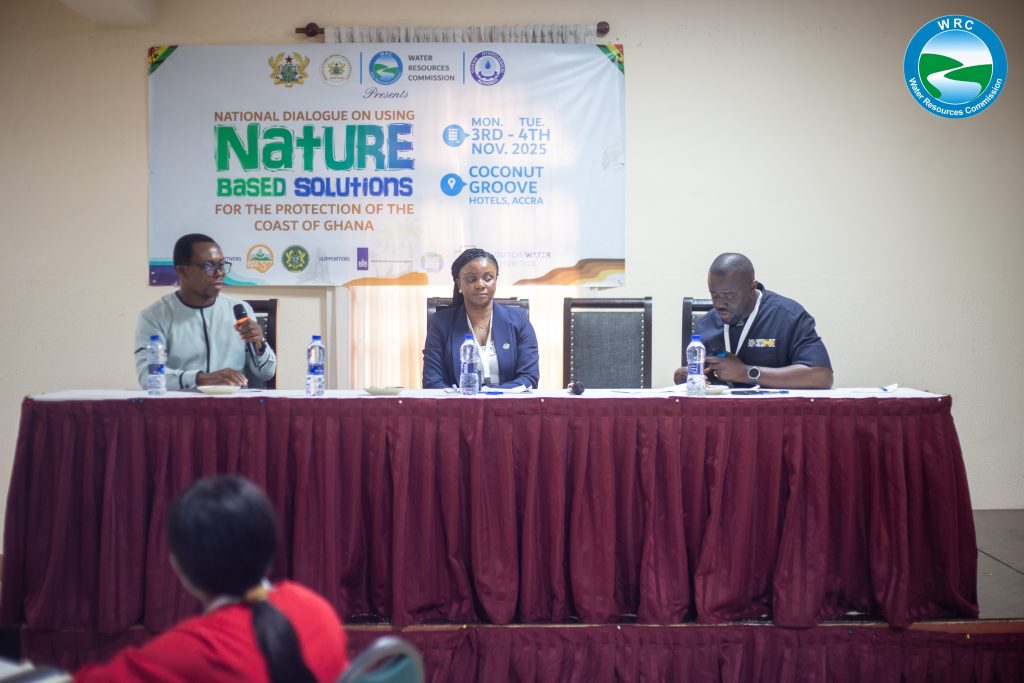
A two-day national dialogue on the application of Nature-Based Solutions (NbS) for coastal protection has been held in Accra, bringing together experts, policymakers, and stakeholders to discuss sustainable strategies for safeguarding Ghana’s vulnerable shorelines.
Nature-Based Solutions are actions that protect, sustainably manage, and restore natural or modified ecosystems to address societal challenges while enhancing human well-being and biodiversity. These approaches integrate nature into urban, landscape, and seascape management, offering innovative ways to regenerate degraded areas and build resilience to climate change.
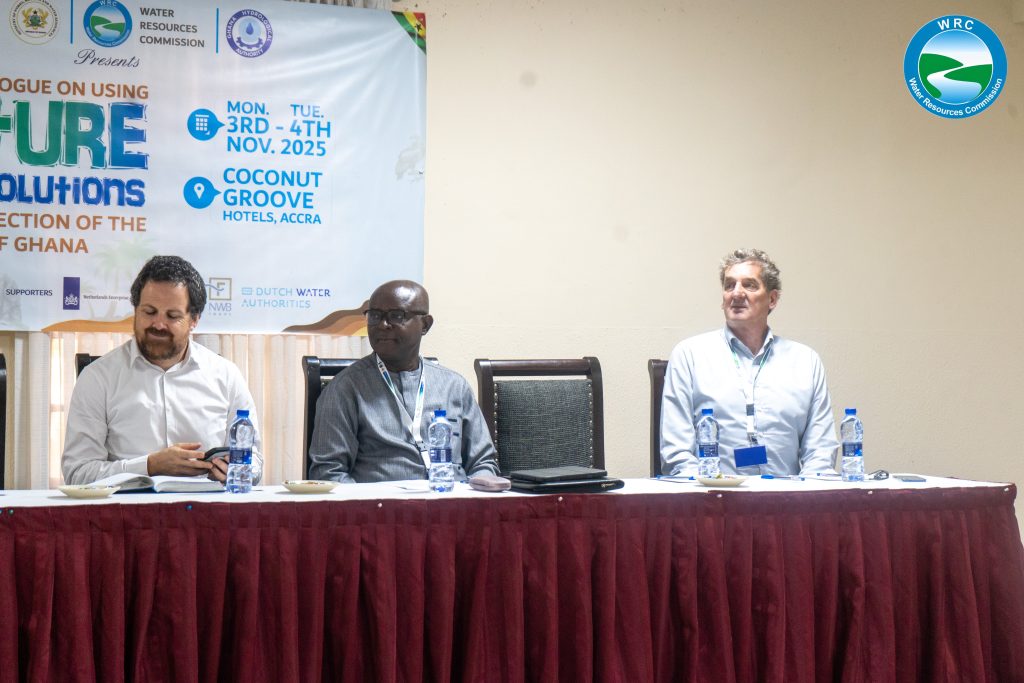
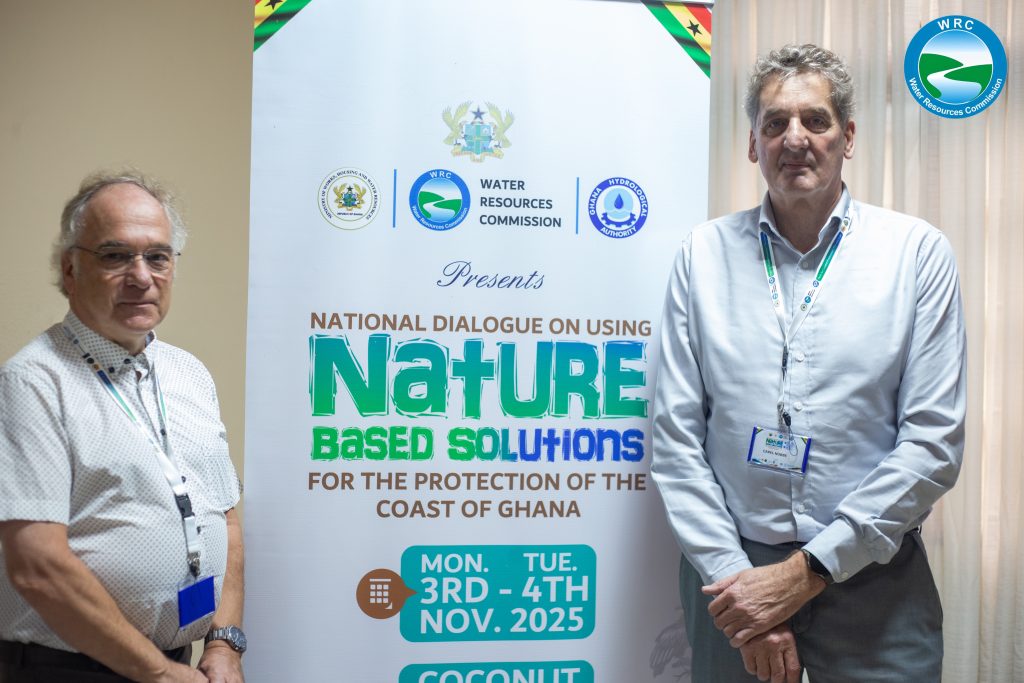
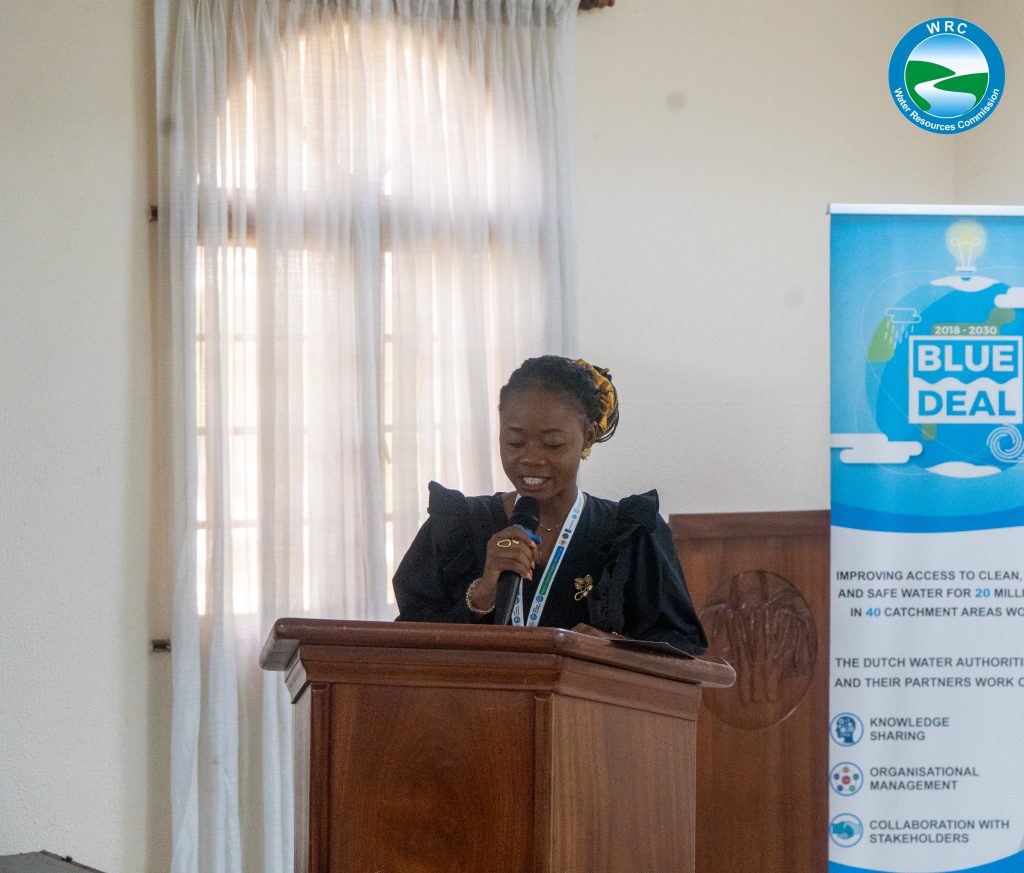
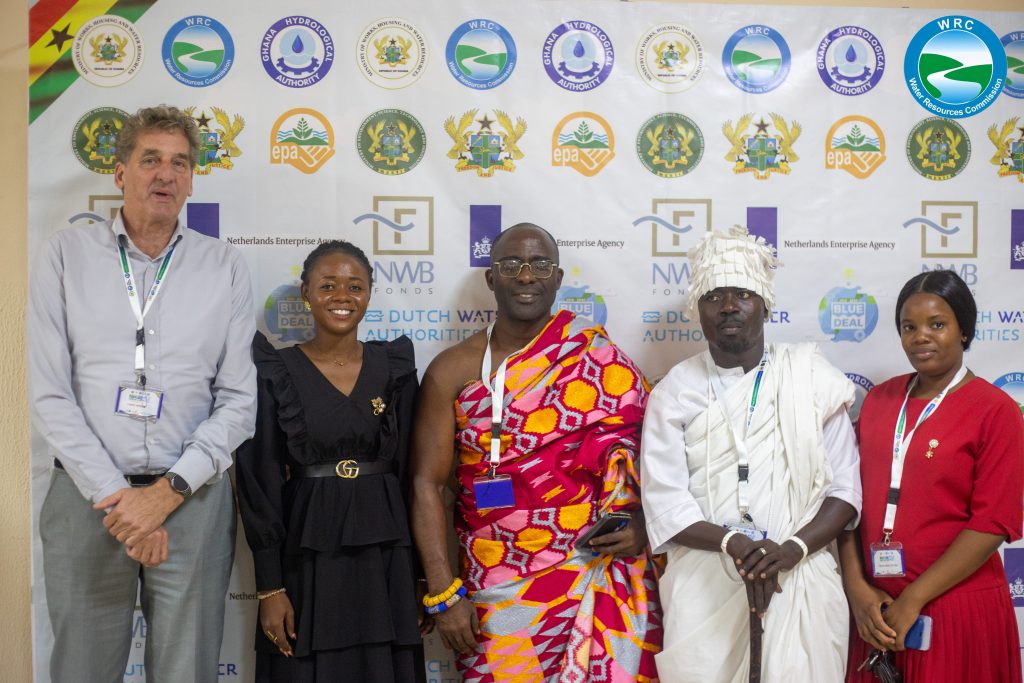
The dialogue, held from November 3 to 4, 2025, was organized by the Water Resources Commission (WRC) in collaboration with the Ghana Hydrological Authority (GHA) and the Dutch Water Authorities. It formed part of the Blue Deal Programme, a partnership among the Dutch Water Authorities, the Dutch Ministry of Infrastructure and Water Management, and the Dutch Ministry of Foreign Affairs.
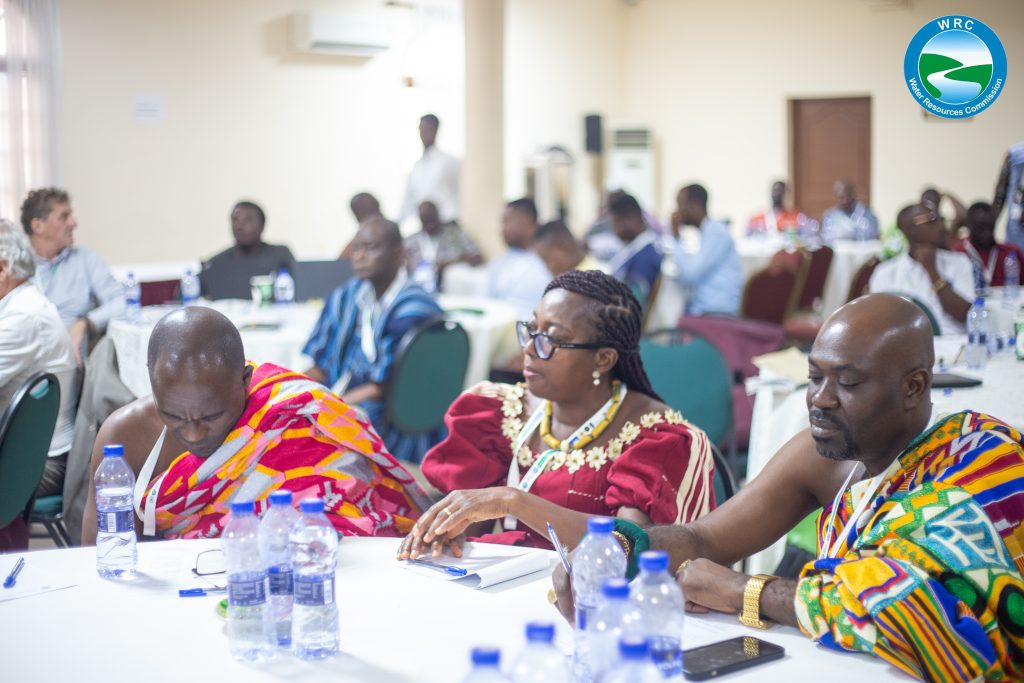
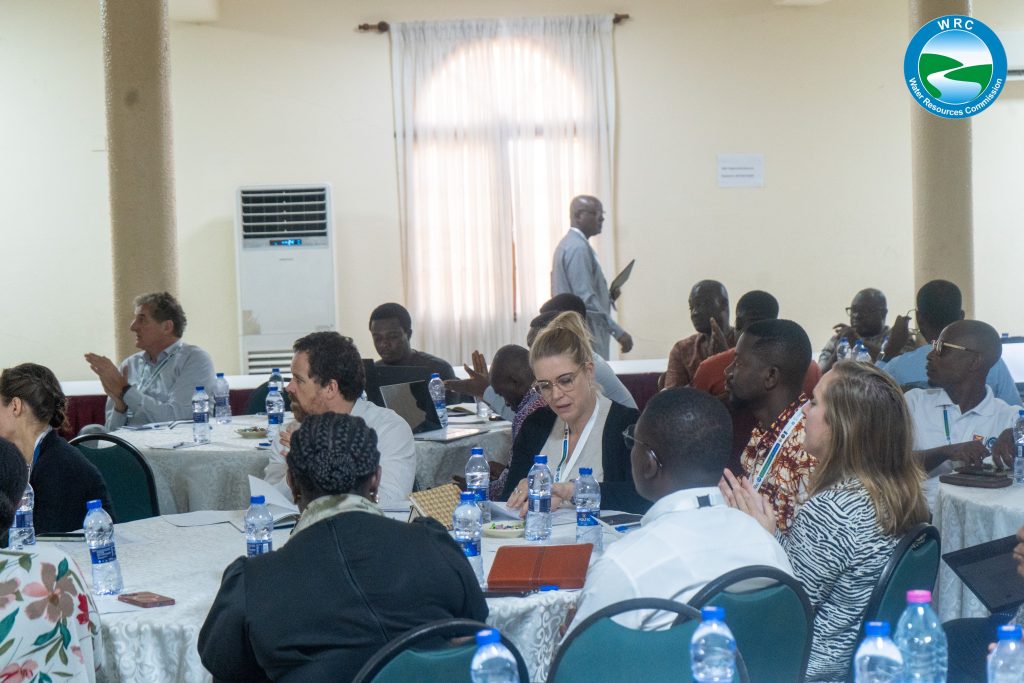
Building on an earlier stakeholder workshop in July 2025, the dialogue sought to advance discussions on the effective use of NbS for coastal adaptation and to develop policy recommendations for Ghana’s climate action plans. Participants included representatives from government institutions, academia, civil society, and the private sector, who shared practical experiences and explored pathways to integrate NbS into national coastal protection strategies.
Speakers highlighted the value of natural systems such as mangrove restoration, wetland conservation, dune stabilization, and living shorelines as cost-effective and resilient alternatives to traditional sea defense structures. They emphasized the importance of community participation, public education, and institutional coordination in the planning and implementation of coastal management policies.
The Minister for Works, Housing and Water Resources, Hon. Kenneth Gilbert Adjei, reaffirmed government’s commitment to promoting nature-based interventions and urged participants to produce actionable outcomes that enhance the safety and prosperity of coastal communities.
He noted that Ghana’s 550-kilometre coastline, stretching from Aflao to the Ivorian border, supports nearly five million people and encompasses diverse ecosystem, beaches, lagoons, wetlands, and mangrove forests that serve as natural barriers against flooding and sea-level rise. These ecosystems, he added, sustain key livelihoods such as fishing, farming, salt production, tourism, and energy generation.
Hon. Adjei cautioned that the growing impacts of climate change, including tidal waves, erosion, and flooding, pose increasing threats to these ecosystems. He called for a shift from controlling nature to working in harmony with it, advocating for green infrastructure, public-private partnerships, and broader awareness to promote the widespread adoption of NbS in line with Ghana’s commitments under the Paris Agreement, the Sustainable Development Goals, and the National Adaptation Plan.
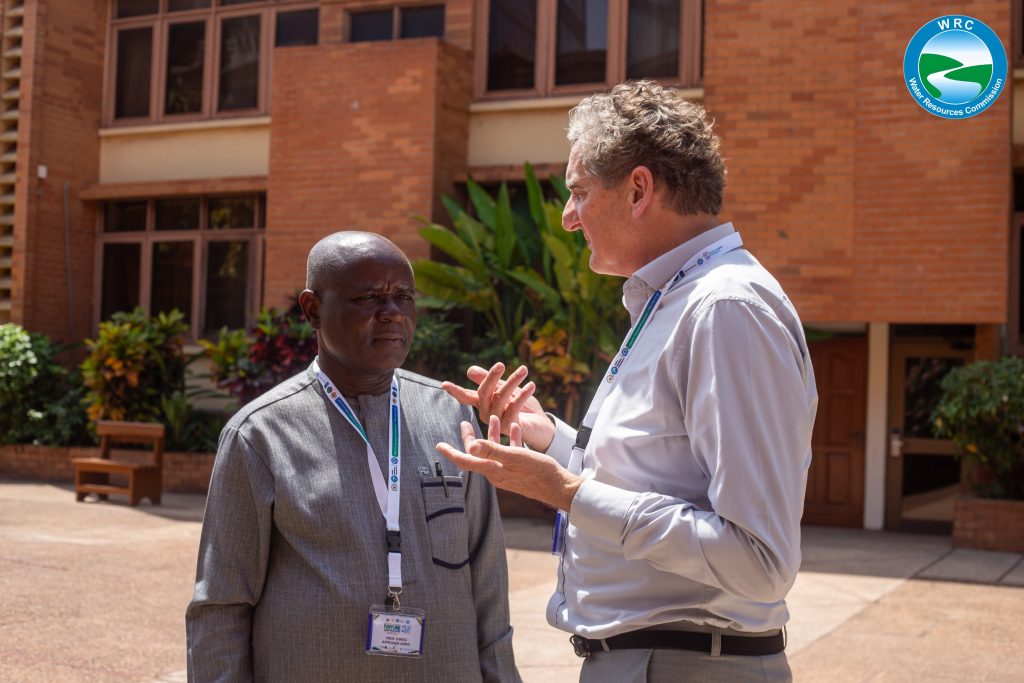
Professor Kwesi Appeaning Addo of the University of Ghana’s Department of Marine and Fisheries Sciences underscored the need to balance environmental preservation with coastal protection. He noted that ecosystem restoration offers sustainable, low-cost solutions to combat erosion and mitigate climate impacts.
The Chief Executive Officer of the Ghana Hydrological Authority (Hydro), Dr. Sylvester Darko, emphasized that adopting NbS not only protects lives and biodiversity but also strengthens local economy and promotes long-term resilience.
Stay updated on the latest news, insights, and resources from the Water Resources Commission. Get updates on water management and sustainability delivered straight to your inbox every month!