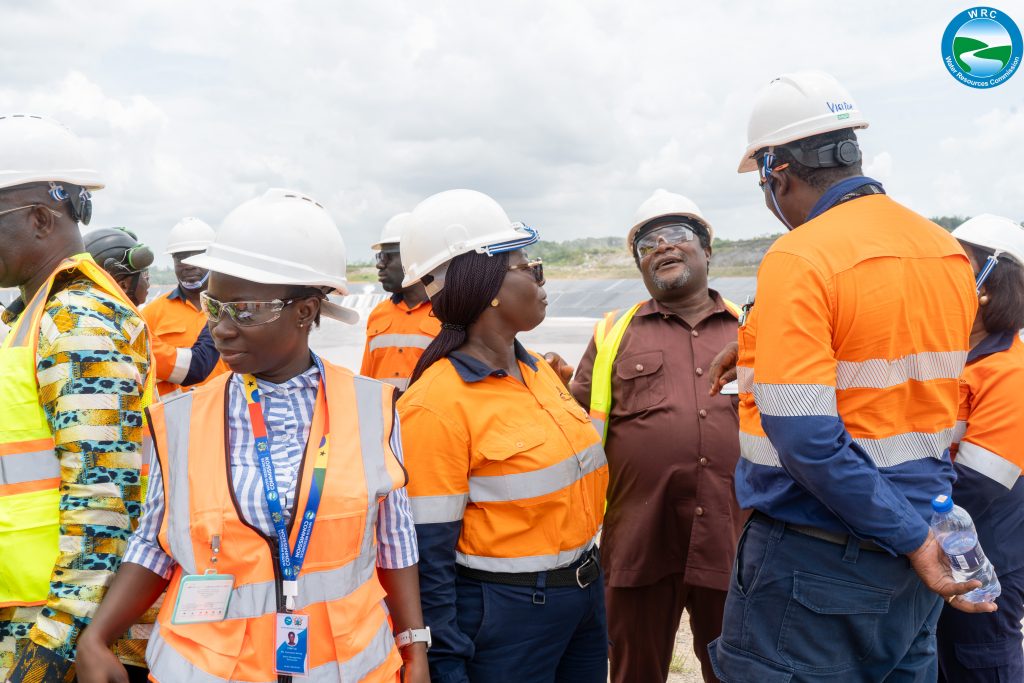
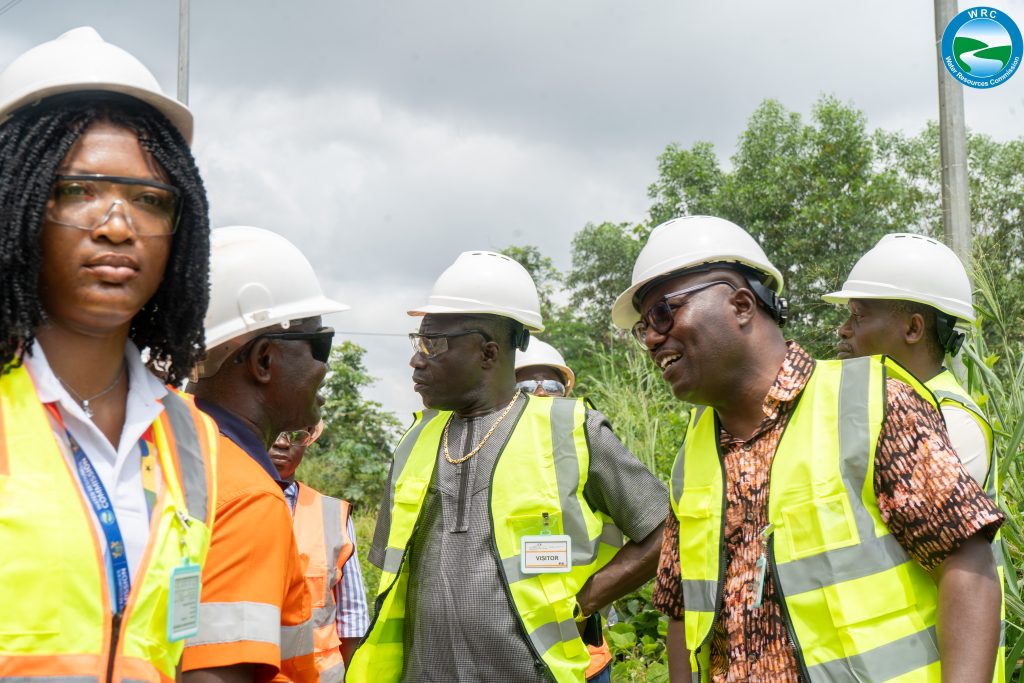
🌊 Advancing Sustainable Mining and Water Stewardship: WRC Board Visit to AngloGold Ashanti 🇬🇭
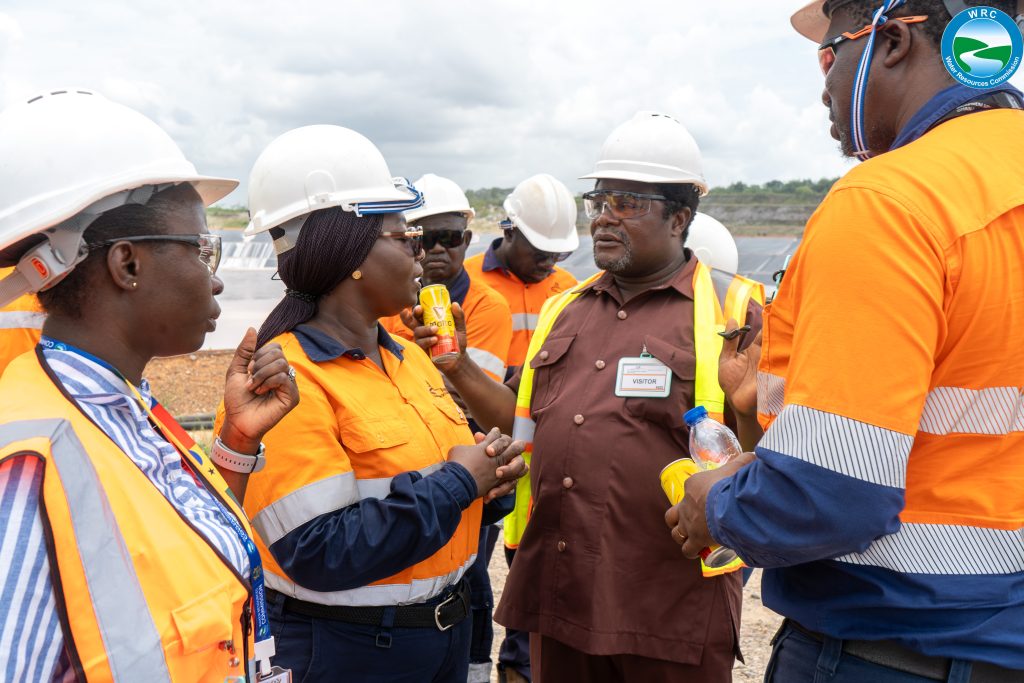
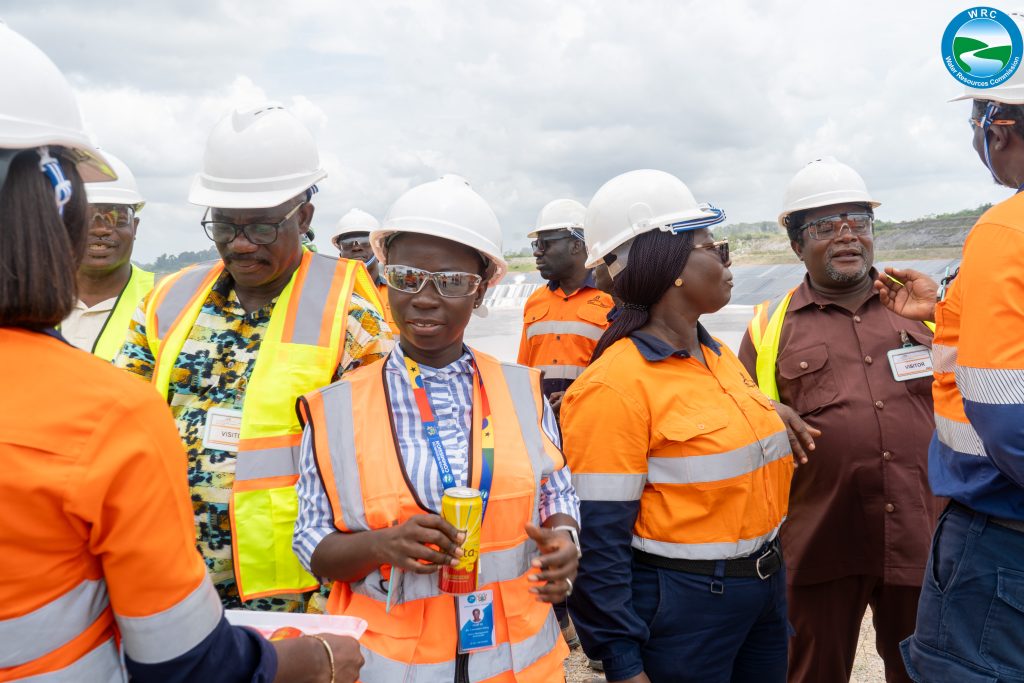
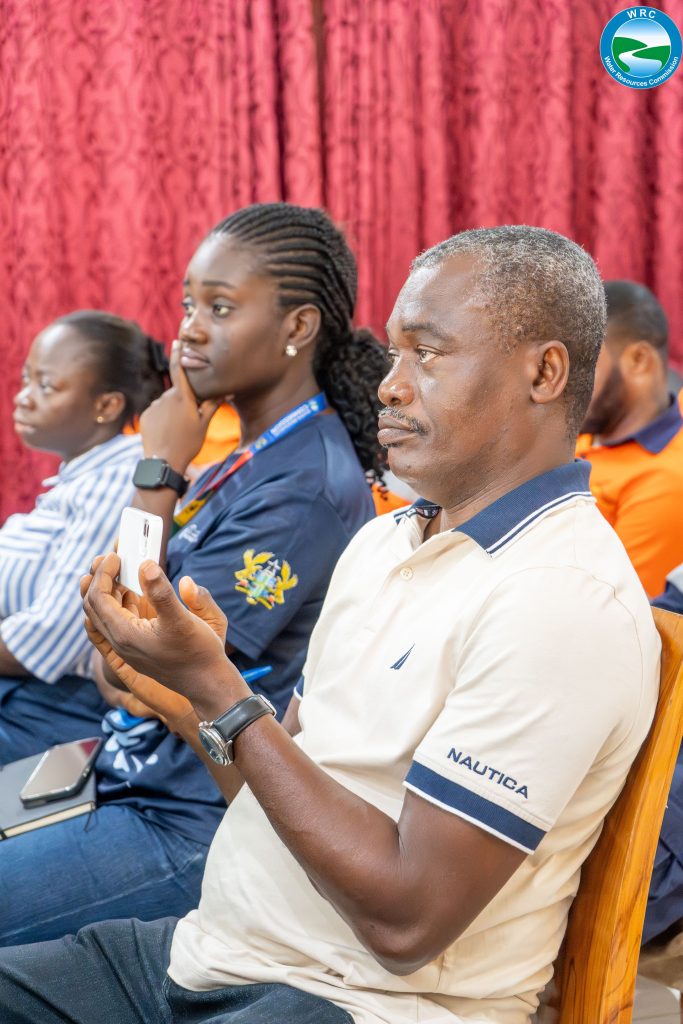
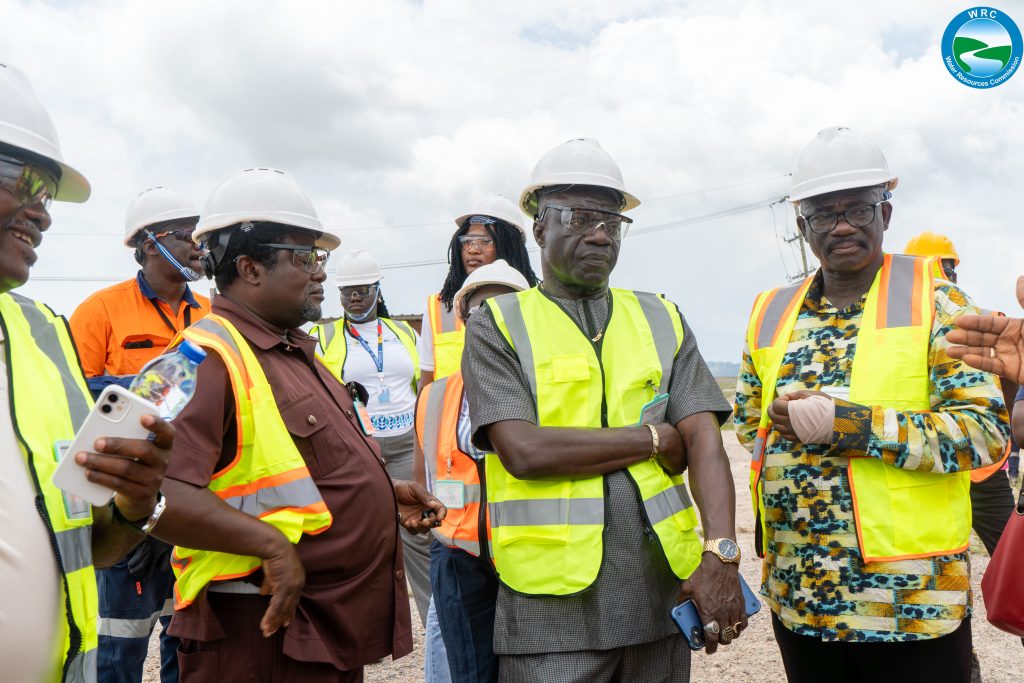
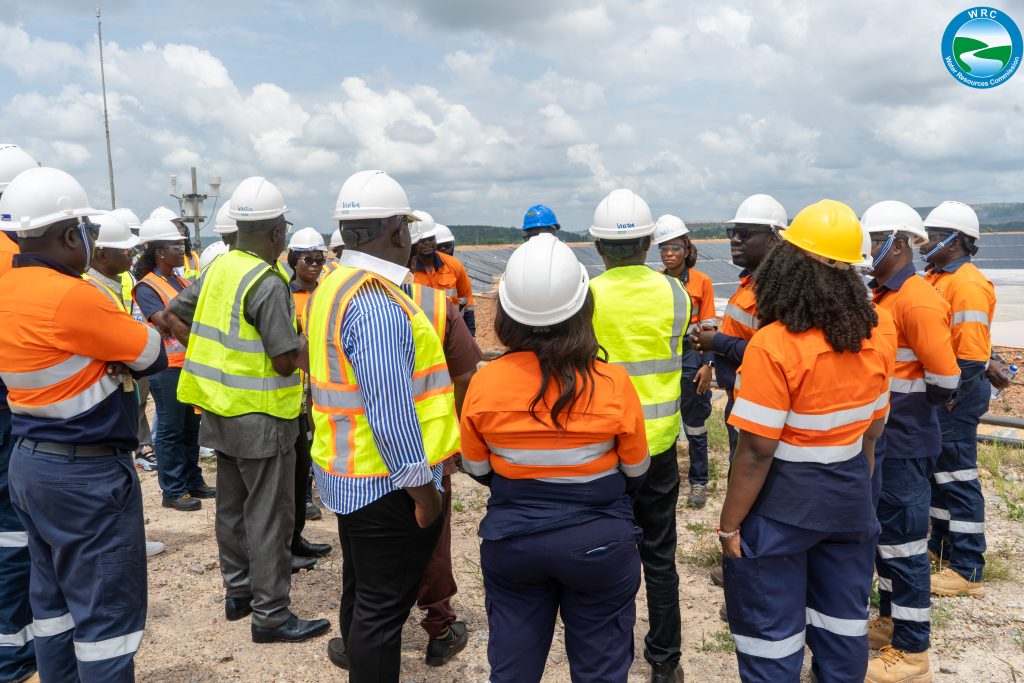
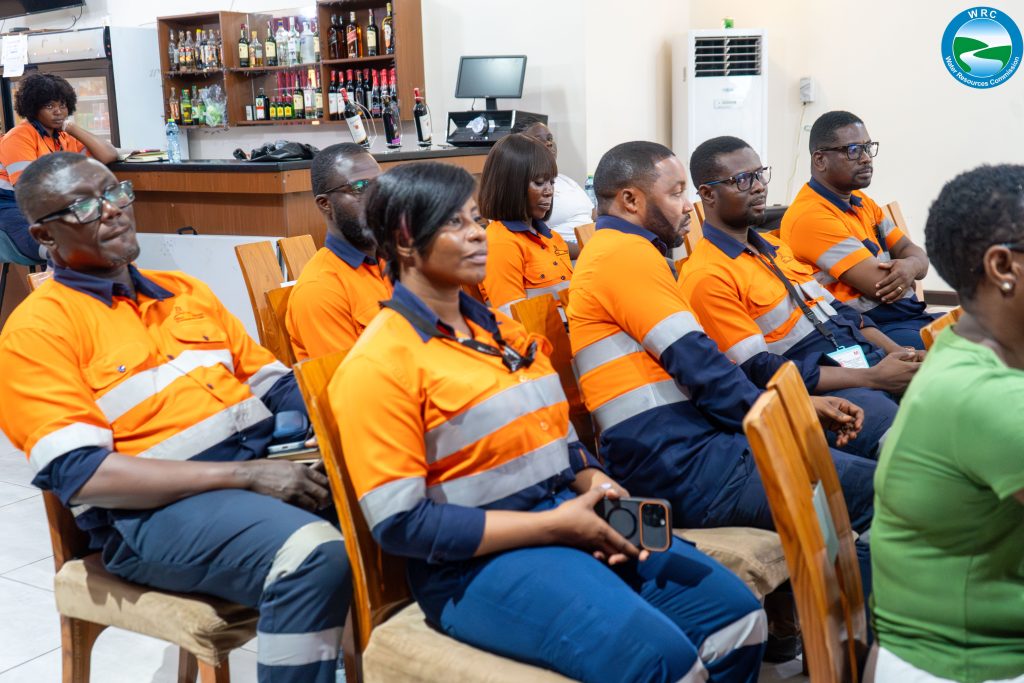
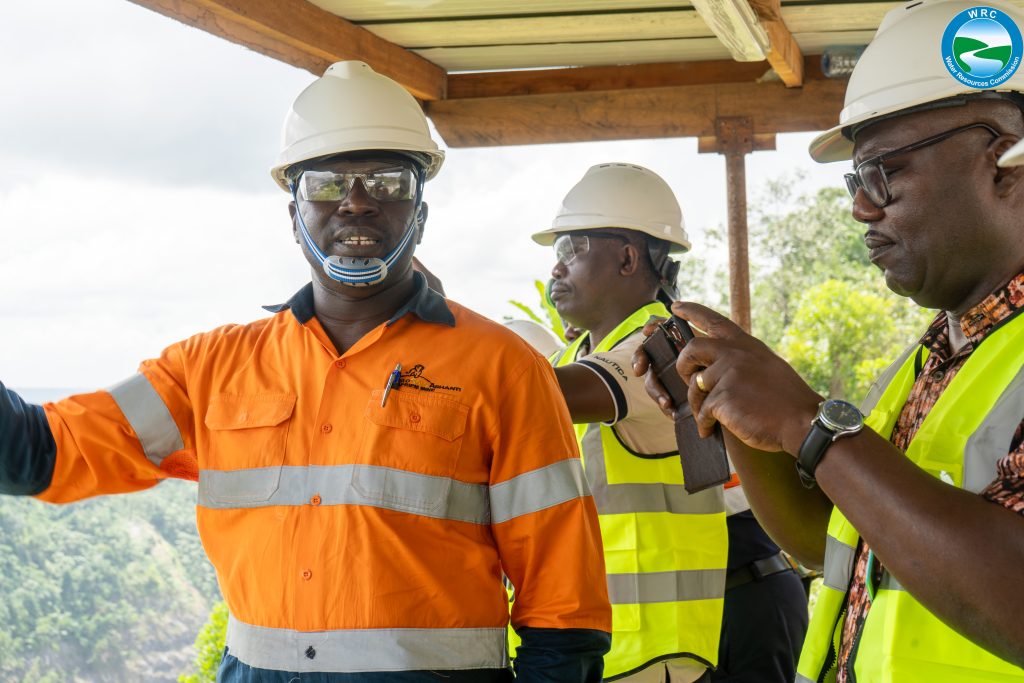
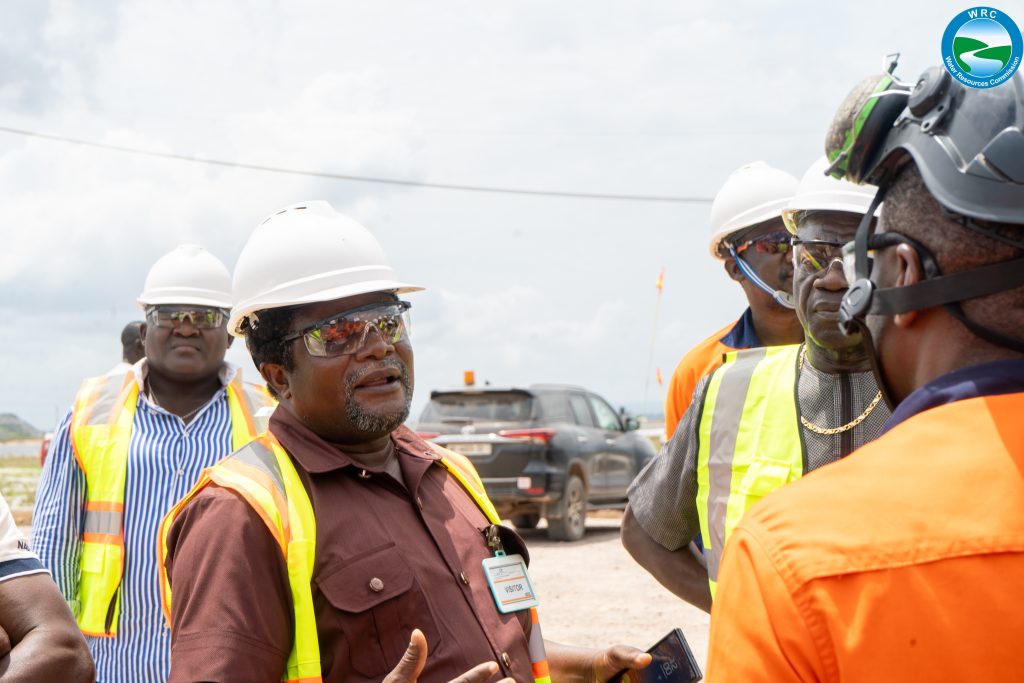
Tarkwa, Western Region — As part of its statutory regulatory mandate to ensure sustainable management, protection, and regulation of Ghana’s water resources, the Governing Board of the Water Resources Commission (WRC) conducted a high-level field inspection of the AngloGold Ashanti Iduapriem Mine in Tarkwa on October 27. The oversight visit formed part of the Commission’s ongoing nationwide operational monitoring of major industrial water users, focusing on environmental compliance, industrial water recycling efficiency, tailings storage facility (TSF) structural safety, and downstream community safety.
Evaluating Industrial Water Recycling and Tailings Infrastructure During the tour of the concession, AngloGold Ashanti demonstrated its closed-loop water stewardship model—an operational framework designed to minimize reliance on external freshwater sources through intensive rainwater harvesting and mine pit dewatering.
The delegation inspected the mine’s advanced, multi-stage water treatment infrastructure associated with its Tailings Storage Facility (TSF) and the UEE Dam. Operations at the facility currently achieve a 60% process water recycling rate, significantly reducing freshwater abstraction from surrounding hydrological systems while preventing untreated effluent discharge into local watersheds. To verify compliance and structural integrity, the Board examined real-time environmental monitoring systems, including:
Nano-Radar Monitoring Systems: Providing continuous spatial data on embankment stability across tailings facilities. Groundwater Monitoring Borehole Network: Ensuring early detection and prevention of potential seepage into surrounding aquifers and local water tables.
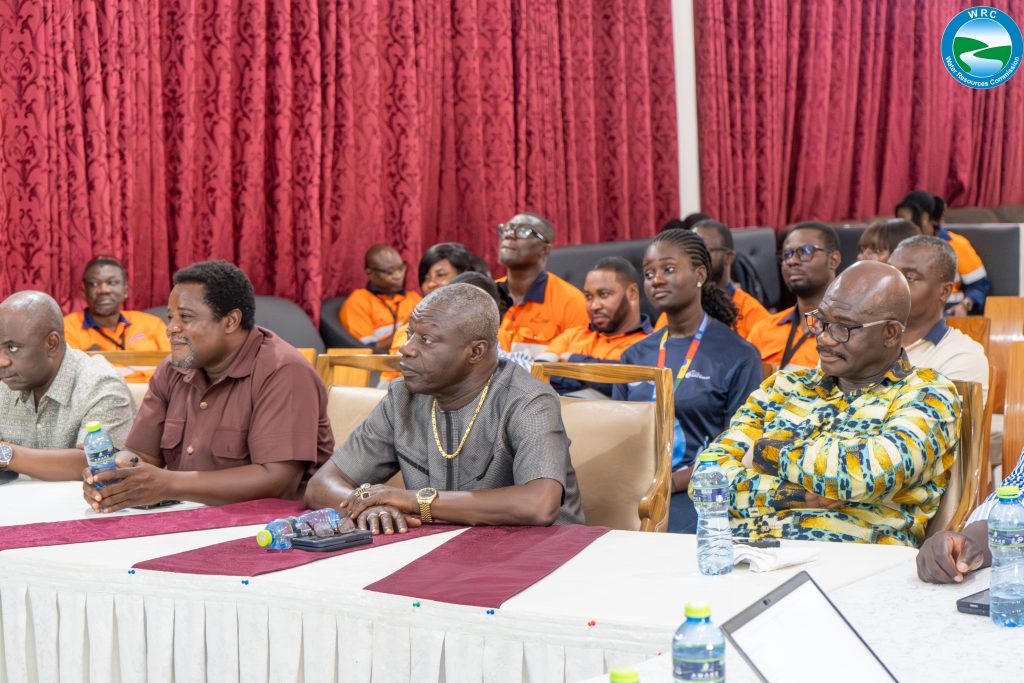
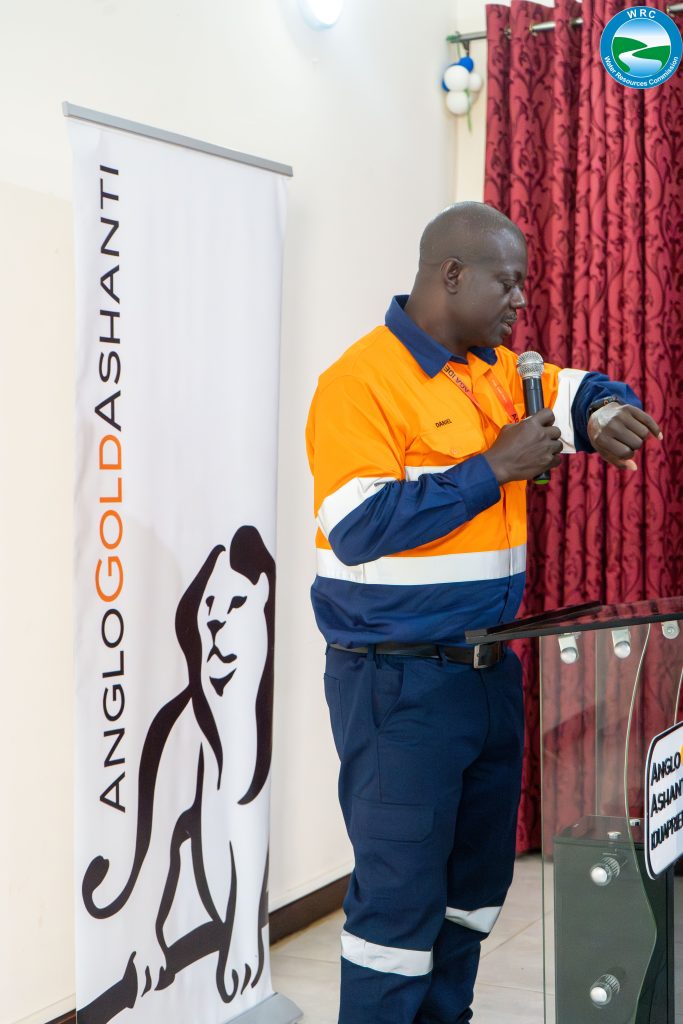
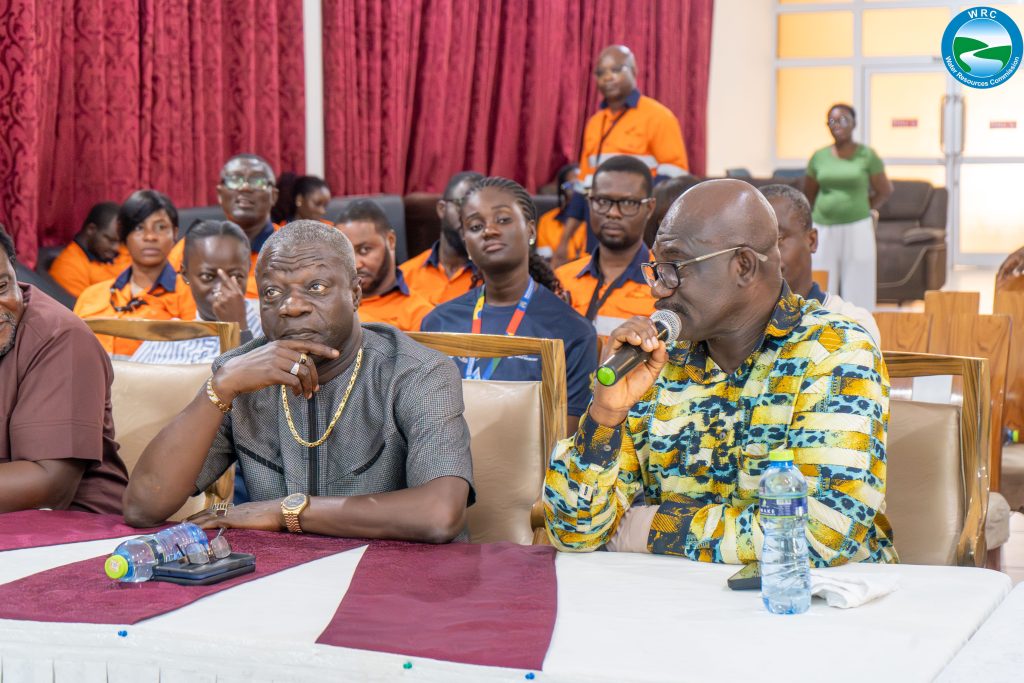
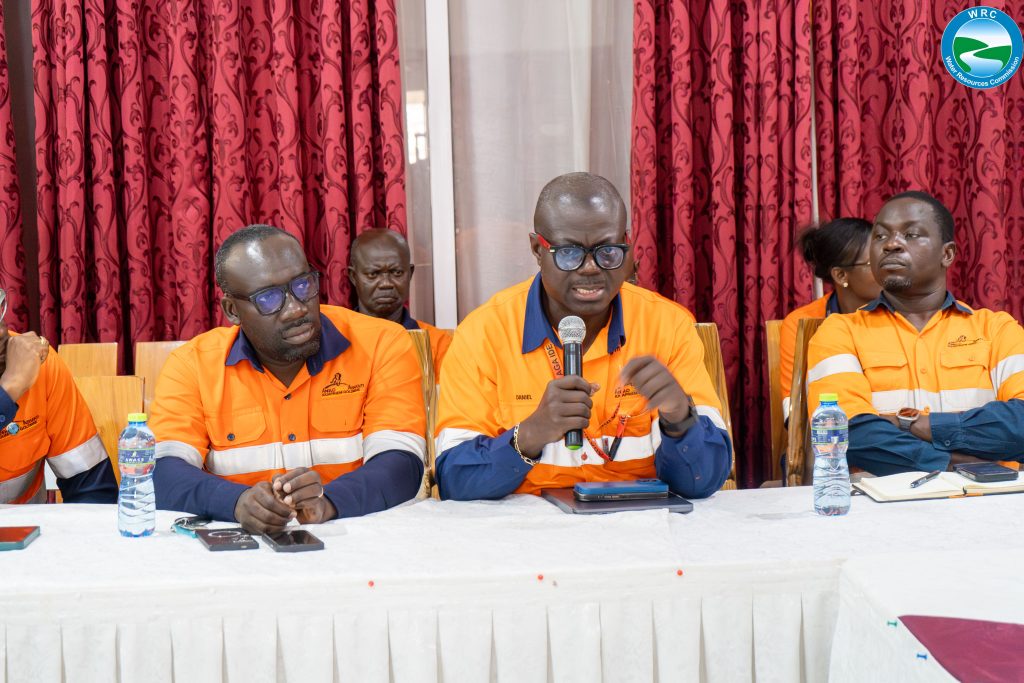
Community Safety, Emergency Preparedness, and Local Impact Discussions between the WRC Board and AngloGold Ashanti management centered on strengthening emergency response protocols to safeguard adjacent host communities, including Teberebie and surrounding settlements. The mine highlighted past joint simulation exercises conducted in coordination with the WRC and local emergency services to maintain high operational readiness.
Beyond environmental governance, AngloGold Ashanti briefed the Board on its social investment initiatives, notably the construction of the $2.5 million Tarkwa Community Centre, aimed at enhancing local community infrastructure and social welfare.
Addressing Upstream Challenges: Illegal Mining and Water Quality A critical agenda item during the engagement was the escalating challenge of illegal mining (galamsey) within and around the mine’s catchment areas. AngloGold Ashanti officials presented data detailing increased turbidity levels in local raw water bodies, caused by illegal riverbed dredging and unauthorized land disturbance upstream. The company called for enhanced inter-agency collaboration with the WRC, local government authorities, and security agencies to curb illegal mining activities that jeopardize municipal and industrial raw water quality in the Tarkwa mining enclave.
WRC Commitment to Regulatory Oversight
Reaffirming the Commission’s stance, the WRC Board reiterated that economic growth and mineral extraction must operate within strict environmental boundaries. The WRC remains committed to enforcing buffer zone policies, monitoring water abstraction permits, and fostering strategic public-private partnerships that promote responsible, climate-resilient water stewardship across Ghana’s industrial sector.
Stay updated on the latest news, insights, and resources from the Water Resources Commission. Get updates on water management and sustainability delivered straight to your inbox every month!