Water Safety Campaign Launched at Potroase to Protect Water Bodies
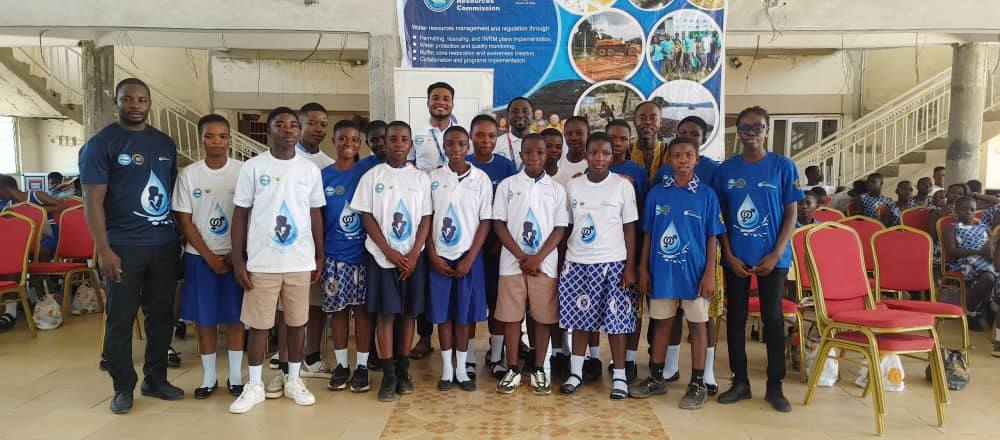
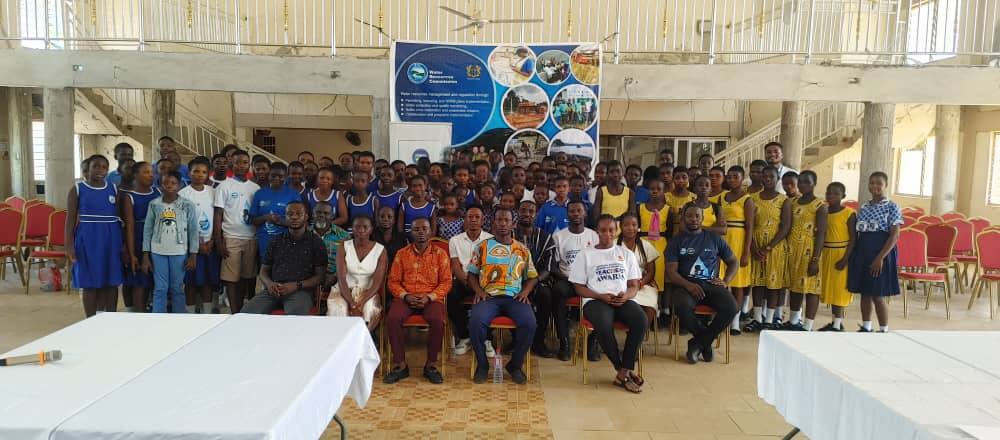
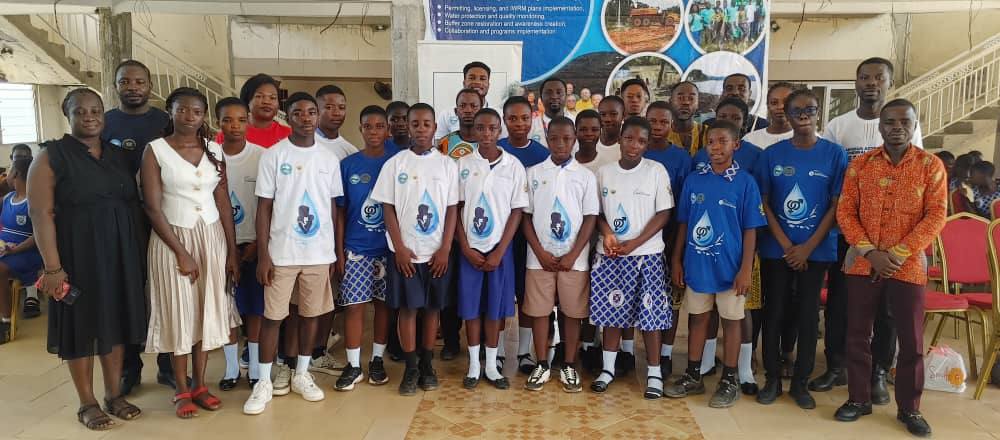
The Water Resources Commission has intensified efforts to promote water safety and environmental stewardship in the Atewa landscape, with a community-focused campaign held at Potroase.
The campaign, led by the Water Resources Commission as part of Water Safety Campaign activities, took the form of a large community durbar near the source of the Densu River. The river, which flows from the Atewa Forest through key towns including Koforidua, Nsawam, and Accra, remains a vital source of drinking water for millions, supplying a significant portion of the capital.
At the heart of the campaign was a strong call for community action to safeguard water bodies. Stakeholders emphasized that harmful upstream activities especially illegal mining, poor sanitation, and improper waste disposal have serious downstream consequences, including water pollution and supply disruptions.
Officials warned the public of increasing contamination in water sources, with reports of harmful substances such as bacteria, nitrates, and heavy metals posing risks to public health. Residents were therefore encouraged to adopt basic water safety practices, including boiling or treating drinking water, properly storing water, and improving sanitation to reduce diseases like cholera and dysentery.
Illegal small-scale mining, or galamsey, was identified as a major threat to the Densu Basin, with the use of toxic chemicals contributing to severe water pollution. However, community members were urged to report such activities and support enforcement efforts. Environmental degradation was also linked to increased flooding risks, highlighting the need to protect wetlands and restore river buffer zones.